
Nintendo Famicom Disk System
The Famicom Disk System, released in 1986 exclusively in Japan, was Nintendo's innovative add-on that brought rewritable disk-based gaming to the Famicom (Japanese NES). Using proprietary "Disk Cards" that could be rewritten at kiosks for a small fee, the FDS offered larger game sizes, better audio through an extra sound channel, and the revolutionary ability to save game progress without passwords. The FDS introduced some of Nintendo's most beloved franchises in their original forms: The Legend of Zelda, Metroid, and Kid Icarus all debuted on this system, featuring save functionality impossible on cartridges at the time. Other notable exclusives include Doki Doki Panic (later remade as Super Mario Bros. 2), the adventure game Famicom Tantei Club, and numerous Konami classics with enhanced soundtracks. While the FDS was eventually overtaken by larger cartridges with battery backup, it played a crucial role in shaping Nintendo's greatest franchises.
Nintendo
1986
Home Consoles
8
Popular FDS Games
View All →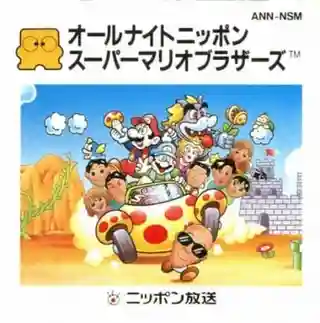
All Night Nippon Super Mario Bros.
39.0 KB
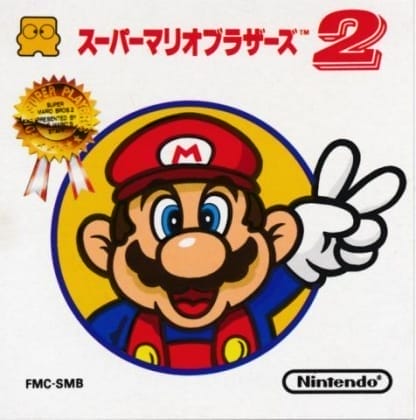
Super Mario Bros. 2
39.1 KB
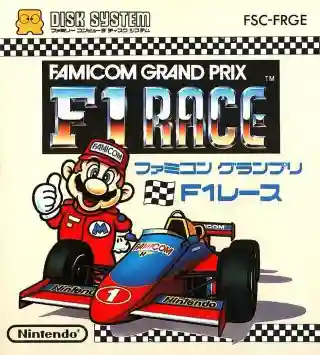
Famicom Grand Prix: F1 Race
55.9 KB
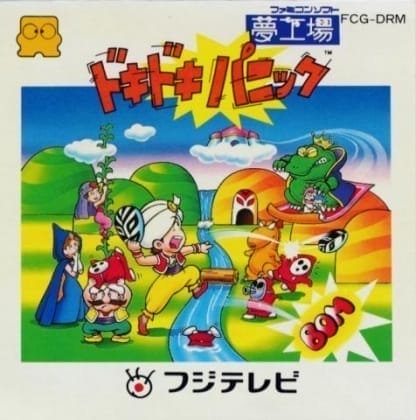
Dream World Doki Doki Panic!
60.3 KB
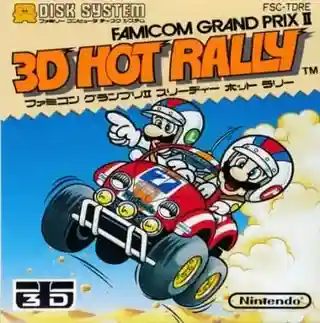
Famicom Grand Prix II: 3D Hot Rally
58.5 KB
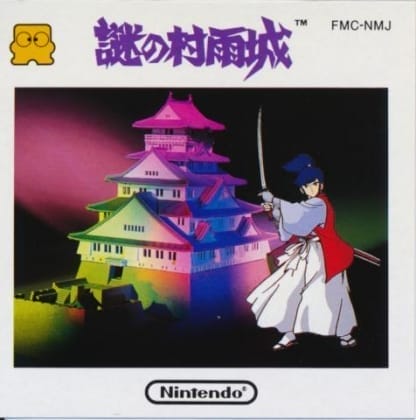
The Mysterious Murasame Castle
55.0 KB
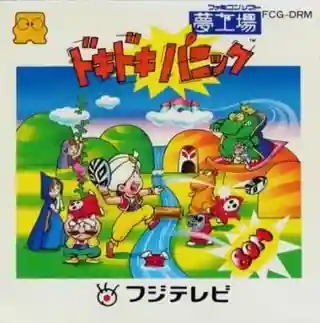
Yume Kōjō: Doki Doki Panic
60.3 KB
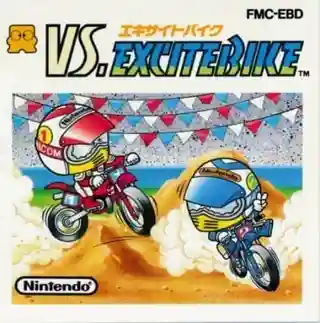
Vs. Excitebike
59.1 KB
About Nintendo Famicom Disk System
The Famicom Disk System, released in 1986 exclusively in Japan, was Nintendo's innovative add-on that brought rewritable disk-based gaming to the Famicom (Japanese NES). Using proprietary "Disk Cards" that could be rewritten at kiosks for a small fee, the FDS offered larger game sizes, better audio through an extra sound channel, and the revolutionary ability to save game progress without passwords. The FDS introduced some of Nintendo's most beloved franchises in their original forms: The Legend of Zelda, Metroid, and Kid Icarus all debuted on this system, featuring save functionality impossible on cartridges at the time. Other notable exclusives include Doki Doki Panic (later remade as Super Mario Bros. 2), the adventure game Famicom Tantei Club, and numerous Konami classics with enhanced soundtracks. While the FDS was eventually overtaken by larger cartridges with battery backup, it played a crucial role in shaping Nintendo's greatest franchises.